How to Choose the Right Lighting for Each Room
Choosing the right lighting for your home can significantly influence the atmosphere and functionality of each room. While many homeowners often focus on style, the principles of lighting design underline the importance of creating spaces that not only look good but also serve their intended purpose.
Understanding Lighting Types
Before diving into specific rooms, it's essential to understand the three main types of lighting: ambient, task, and accent. According to experts in interior design, a well-lit space typically incorporates all three elements:

- Ambient Lighting: This is the general illumination of a room. It can come from ceiling fixtures, natural light, or lamps. Its primary function is to provide a uniform level of light.
- Task Lighting: This type of lighting is designed to illuminate specific areas where activities like reading, cooking, or working take place. Table lamps and under-cabinet lights in kitchens are examples.
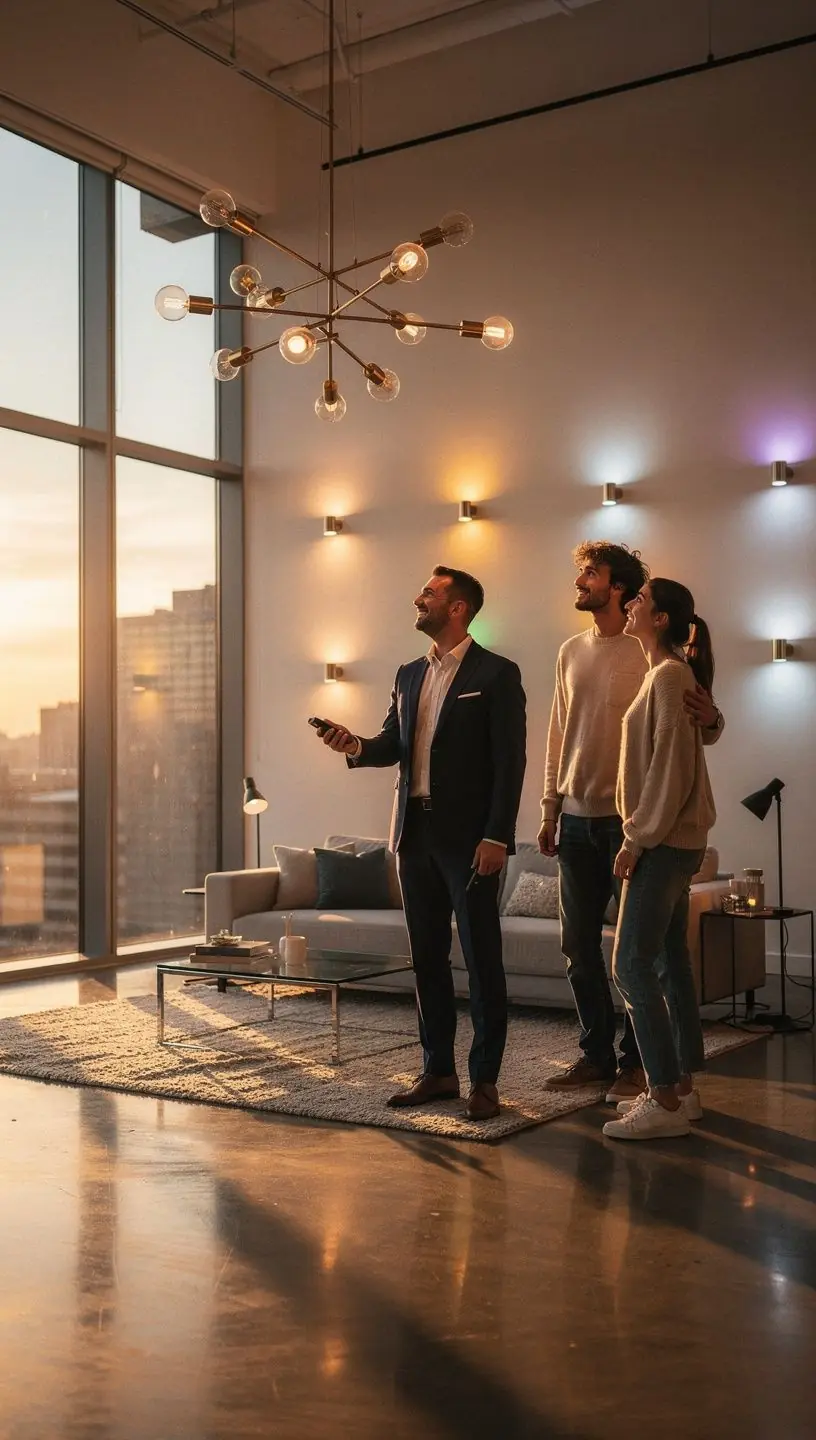
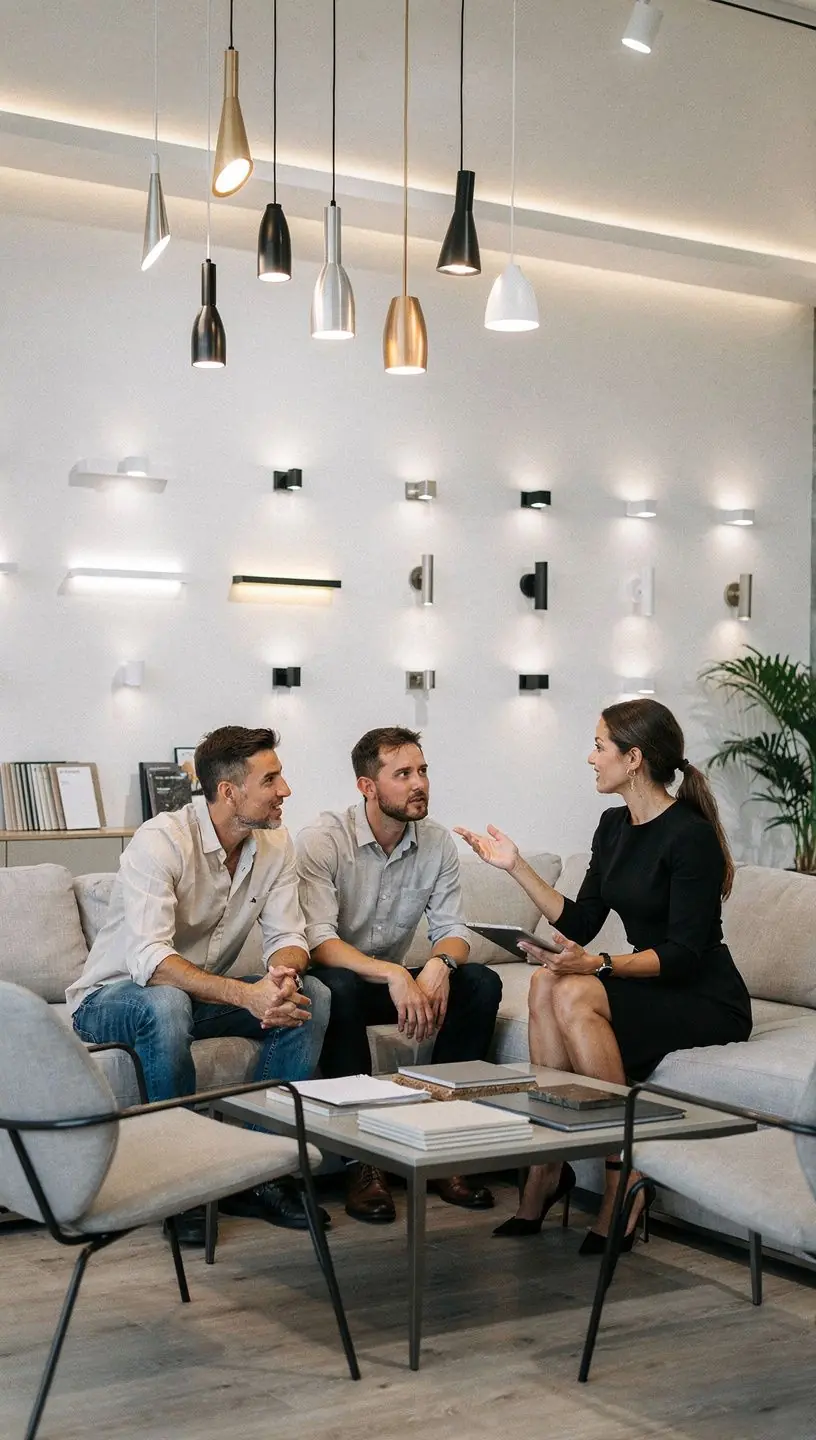
- Accent Lighting: This focuses on highlighting particular features or decor within a space, such as artwork or architectural details. Track lighting or wall sconces often serve this purpose.
Choosing Lighting for Each Room
Each room in your home has unique requirements. Understanding these needs can help you select the most suitable lighting options:
Living Room
The living room is often the heart of the home, where relaxation and socializing take place. A layered lighting approach works well here:
- Start with ambient lighting using overhead fixtures or recessed lighting.
- Add task lighting with floor or table lamps for reading and other activities.
- Consider accent lighting to highlight artwork or plants.
Kitchen
In kitchens, functionality is paramount. Lighting should enhance visibility and safety:
- Use bright ambient lighting, such as LED recessed lights.
- Implement task lighting under cabinets for countertop activities.
- Accent lighting can showcase decorative elements, like glass cabinets.
Bedroom
Bedrooms should promote relaxation and comfort. The lighting strategy here often involves:
- Soft ambient lighting for a calming atmosphere, often achieved with dimmable fixtures.
- Task lighting on bedside tables for reading.
- Accent lighting to create a cozy ambiance, such as wall sconces or fairy lights.
Common Challenges and Solutions
Many homeowners report challenges when selecting lighting. Here are a few common issues and how to address them:
- Too Harsh or Dim Lighting: Achieve balance by layering different types of lighting and using dimmer switches to adjust brightness.
- Inconsistent Lighting: Ensure all rooms have a cohesive look by using similar styles of fixtures or bulbs.
- Energy Efficiency: Consider LED options, which can reduce energy consumption significantly; studies show they use up to 75% less energy than traditional incandescent bulbs.
Conclusion
Choosing the right lighting for each room involves understanding the function of the space and applying a layered approach. By incorporating ambient, task, and accent lighting, you can create environments that are not only visually appealing but also practical.
As you make these choices, remember that the process may take time and experimentation to get right. Many users report that taking feedback from family members about their preferences can help guide your lighting decisions, ultimately creating a harmonious home.