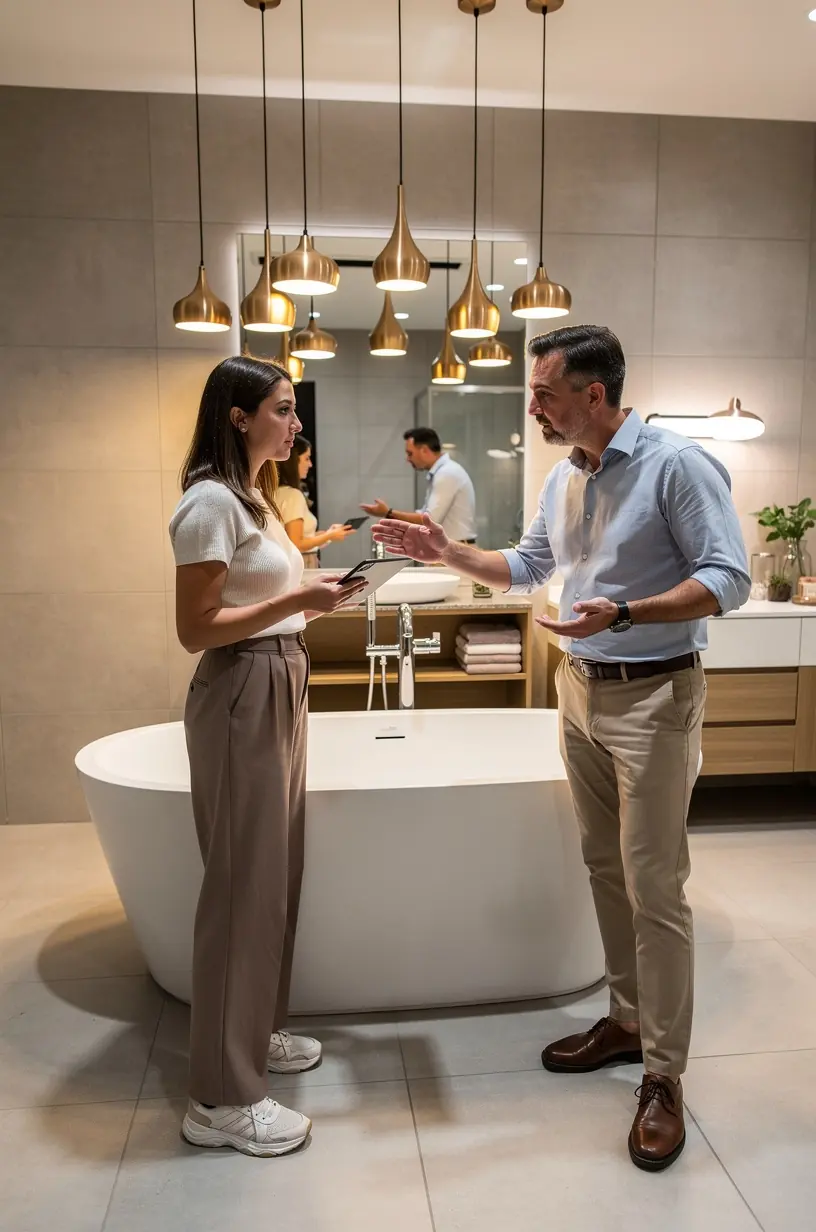
Exploring Color Temperature in Interior Lighting
Choosing the right color temperature for your interior lighting is crucial for creating an inviting atmosphere. This article delves into what color temperature means, its effects on mood and productivity, and how to select the right lighting for your space.
Understanding Color Temperature
Color temperature is measured in Kelvin (K) and describes the appearance of light from a source. According to the Illuminating Engineering Society (IES), different temperatures can evoke various feelings and atmospheres. For example, a warm light (typically 2700K-3000K) is known to create a cozy and inviting space, while a cool light (above 5000K) can stimulate alertness and focus.
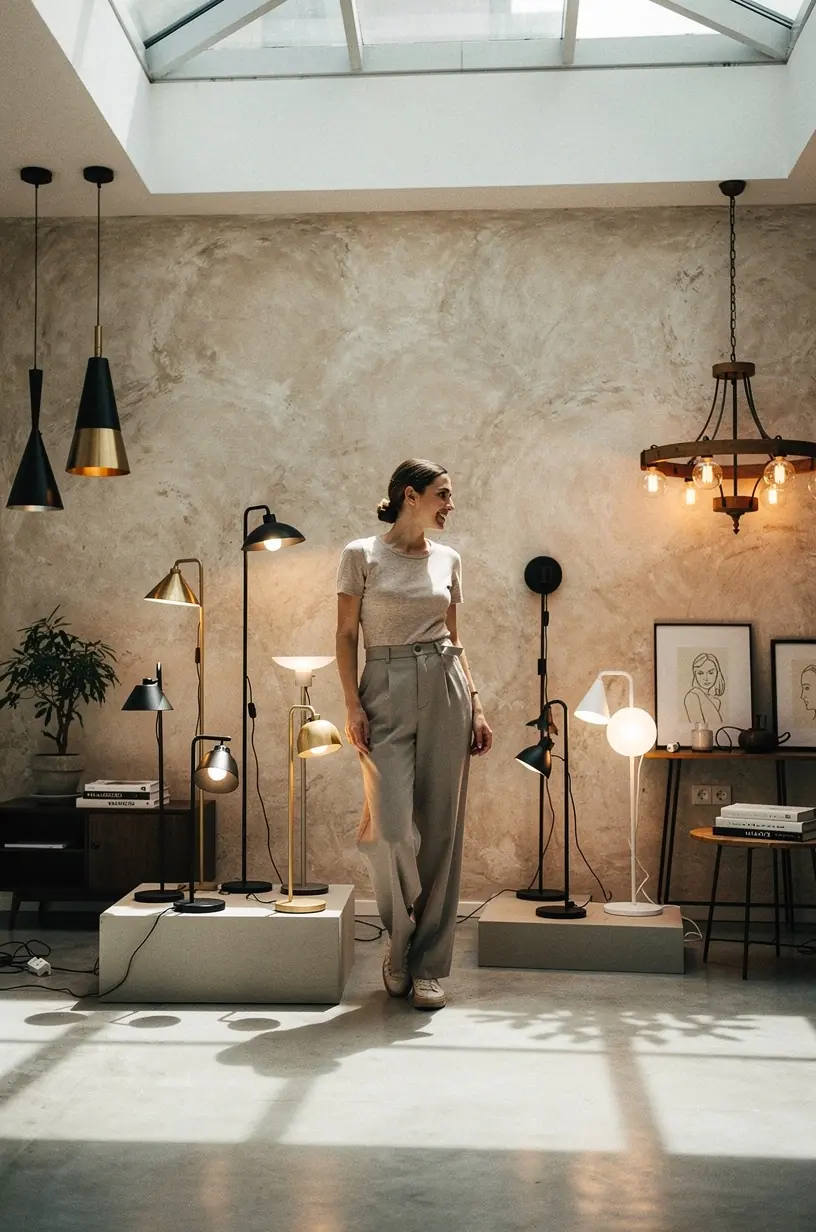
"Studies show that the right lighting can significantly influence mood and productivity in workspaces."
The Psychology of Color Temperature
Research indicates that color temperature can impact human psychology. Warm lighting often encourages relaxation and comfort, making it ideal for living spaces. In contrast, cool lighting is common in offices and workspaces because it helps improve concentration and productivity by mimicking natural daylight.
Typical Color Temperature Ranges
- Soft White (2700K-3000K): Commonly used in homes, this range creates a warm and inviting atmosphere.
- Bright White (3000K-4000K): This neutral color is often found in kitchens and bathrooms, providing clarity without being too harsh.
- Daylight (5000K-6500K): Mimicking natural daylight, this color temperature is suitable for areas where tasks require high visibility, such as offices and workspaces.
Practical Steps for Choosing Color Temperature
- Assess Your Space: Identify the function of each area. Living rooms may benefit from warmer lighting, while workspaces may require cooler temperatures.
- Experiment with Different Bulbs: Many users report that testing various bulbs helps determine which color temperature best suits their needs.
- Consider Dimming Options: Incorporating dimmable lights can allow for flexibility in changing the ambiance depending on the time of day or activity.
Conclusion
Understanding and selecting the right color temperature for your interior lighting can significantly enhance your environment. While warm lighting often creates a sense of comfort, cooler temperatures can boost productivity. By taking the time to assess your space and experiment with different options, you can create a personalized atmosphere that fits your needs. Remember, the right lighting can help you create a welcoming home or an effective workspace, but it requires thoughtful consideration and sometimes a bit of trial and error.
Explore Further