Creating Mood with Layered Lighting Techniques
Lighting is a crucial element in interior design, profoundly influencing the mood and ambiance of a space. Understanding how to effectively utilize layered lighting techniques can help you create an inviting atmosphere tailored to your preferences and needs.
Understanding the Basics of Layered Lighting
Layered lighting involves the strategic combination of different types of light sources to enhance the functionality and aesthetic appeal of a space. According to experts in interior lighting design, this method typically includes three main types of lighting: ambient, task, and accent.

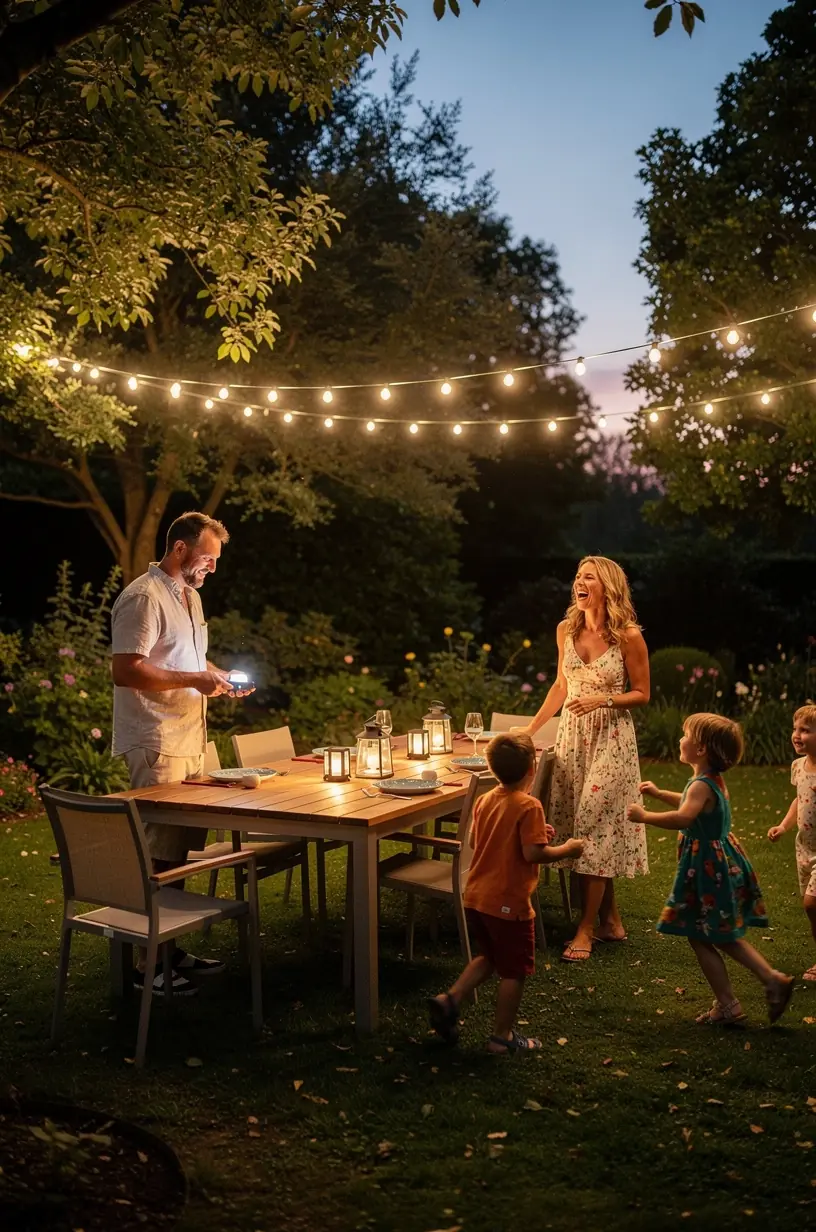
- Ambient Lighting: This is the general illumination that fills a room. It provides a comfortable level of brightness without causing glare. Many users report that using soft, diffused light sources for ambient lighting can create a more relaxing environment.
- Task Lighting: This type of lighting is focused on specific areas where activities such as reading or cooking occur. Studies show that adequate task lighting can increase productivity by 20-30% in workspaces.
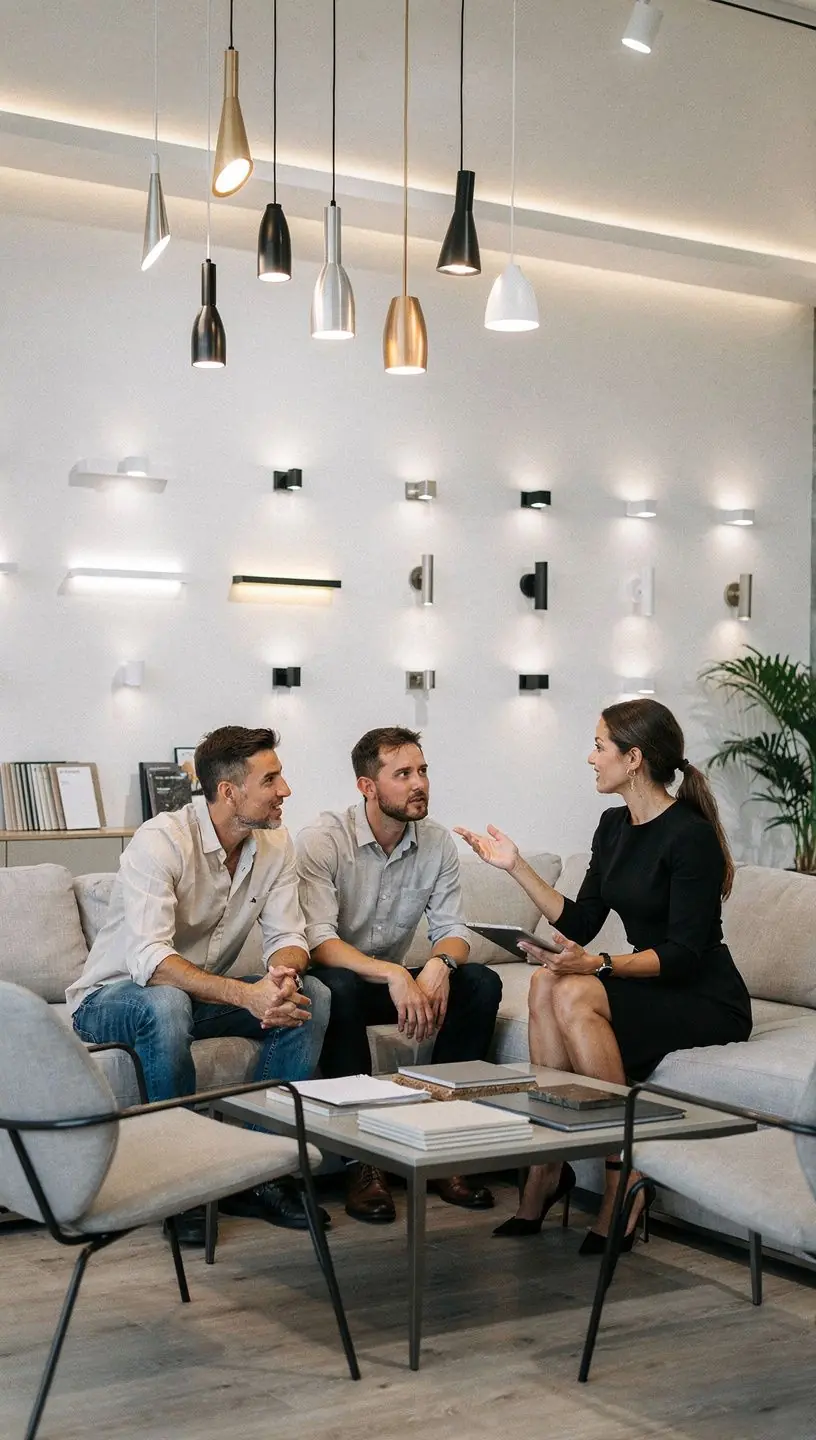
- Accent Lighting: Used to highlight particular features or objects, accent lighting adds drama and interest to a room. The principle behind this is that contrasting light can draw attention to artwork or architectural details, significantly enhancing the visual dynamics of a space.
"Layered lighting not only enhances functionality but also plays a significant role in setting the emotional tone of a space." - Interior Design Authority
Implementing Layered Lighting Techniques
Effective implementation of layered lighting requires planning and an understanding of your space. Here are some practical steps:
- Assess Your Space: Begin by evaluating the dimensions and layout of your room. Consider how natural light interacts with your space throughout the day.
- Choose the Right Fixtures: Selecting appropriate light fixtures is essential. Experts recommend using dimmable options, which allow flexibility in adjusting light levels based on the time of day and activities.
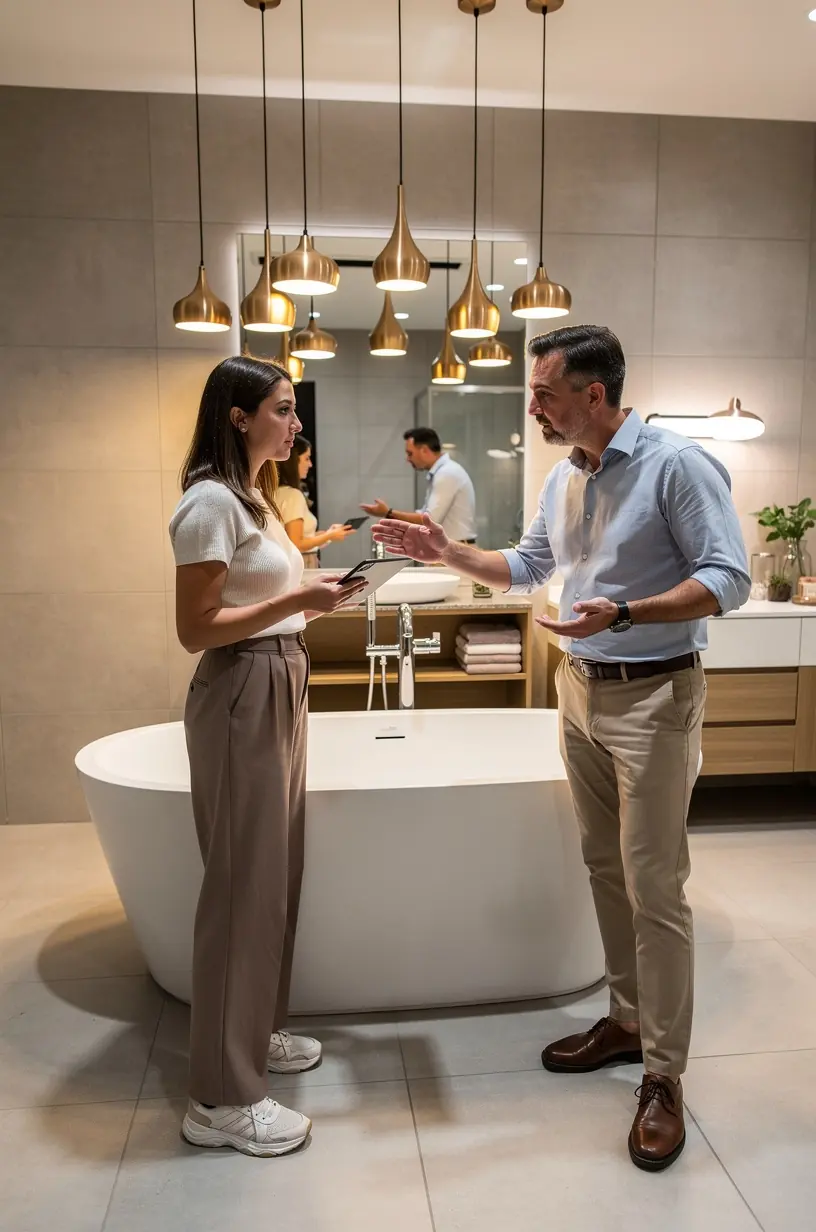
- Experiment with Placement: Layering involves not just the type of light but also its placement. Try installing recessed lights for ambient lighting, table lamps for task lighting, and wall sconces for accent lighting. Adjusting their positions can significantly alter the mood.
Challenges and Considerations
While layered lighting can drastically improve a room's atmosphere, there are some challenges to consider:
- Time Commitment: The process of planning and setting up layered lighting typically takes several weeks, depending on the complexity of your design.
- Learning Curve: Understanding how to effectively layer lights may require some experimentation and research, as individual preferences can vary widely.
- Budget Constraints: Investing in quality fixtures can be costly. It's important to prioritize essential areas and expand your lighting setup gradually.
Conclusion
Layered lighting techniques can significantly enhance the mood and functionality of any space. By understanding the basics and implementing thoughtful design principles, you can create an inviting atmosphere that reflects your personal style. While it may require careful planning and investment, the potential benefits far outweigh the challenges. Remember, the goal is to create a balance that meets your needs and enhances your living experience.
Explore Further