Evaluating Different Lighting Fixtures for Atmosphere
Creating the right atmosphere in a space often hinges on the proper selection of lighting fixtures. This article explores various lighting options available, offering insights into their benefits and limitations, while providing practical tips for achieving the desired ambiance.
Understanding the Basics of Lighting Fixtures
Lighting is not just about visibility; it significantly influences mood and perception. Different types of lighting fixtures can create varying atmospheres. According to industry experts, the three main categories of lighting are ambient, task, and accent lighting. Each serves a distinct purpose and can be used in combination for optimal results.
1. Ambient Lighting
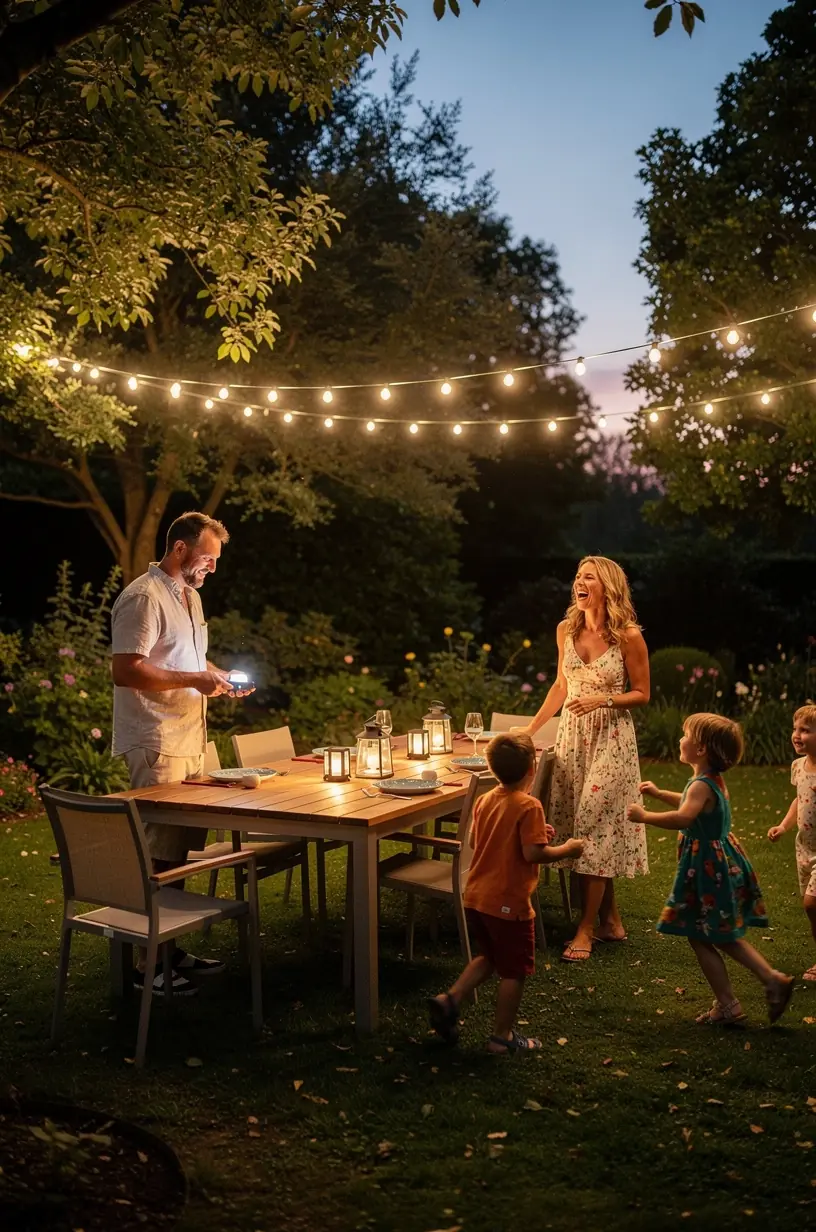
Ambient lighting serves as the primary source of illumination in a room. It typically encompasses overhead fixtures like chandeliers, flush mounts, and recessed lighting. This type of lighting is crucial in ensuring a space is well-lit while providing a comfortable level of brightness.
"Proper ambient lighting can enhance the overall functionality of a space, making it more inviting and pleasant."
2. Task Lighting
Task lighting is designed to illuminate specific areas where activities such as reading, cooking, or working take place. Common examples include desk lamps, under-cabinet lights in kitchens, and pendant lights over work surfaces. Research shows that effective task lighting can reduce eye strain and increase productivity, particularly in work environments.
3. Accent Lighting
Accent lighting highlights specific features in a room, such as artwork or architectural details. This type of lighting is achieved through the use of spotlights, wall sconces, or track lighting. Many users report that using accent lighting creates depth and interest in a space, often making it feel more dynamic.
Practical Application: Choosing the Right Fixtures
When evaluating lighting fixtures for your space, consider the following practical steps:
- Assess Your Needs: Identify the primary function of the space. For instance, a home office may require more task lighting, while a living room might benefit from layered ambient and accent lighting.
- Evaluate Fixture Style: Choose fixtures that complement your décor. According to design experts, harmony in style can enhance the overall aesthetic of a room.
- Consider Energy Efficiency: Opt for LED fixtures, which have been shown to consume up to 75% less energy than traditional incandescent bulbs, making them a sustainable choice.
Acknowledging Limitations
While it’s essential to understand the different types of lighting, it’s also important to acknowledge their limitations. For example, while ambient lighting is crucial for overall brightness, it should not be relied upon solely for performing detailed tasks. Additionally, the installation of some lighting types, like recessed lights, typically requires professional help, which may involve added time and cost.
Conclusion
Choosing the right lighting fixtures is a nuanced process that can significantly influence the atmosphere of a space. By understanding the various types of lighting, evaluating your specific needs, and acknowledging their limitations, you can create an environment that is both functional and inviting. Keep in mind that results may vary based on individual preferences and setups, and it often takes time to fine-tune the ideal lighting arrangement.
Explore Further