The Impact of Lighting Design on Well-Being
Lighting design plays a crucial role in our daily lives, influencing our mood, productivity, and overall well-being. This article explores the various ways lighting affects our mental and emotional states, providing insights backed by research and practical applications.
Understanding the Basics of Lighting Design
Lighting design is more than just choosing light fixtures; it involves creating an environment that enhances comfort and functionality. According to studies, appropriate lighting can improve mood and reduce stress levels significantly. The principle behind this is that light influences our circadian rhythms, which regulate sleep patterns and energy levels.
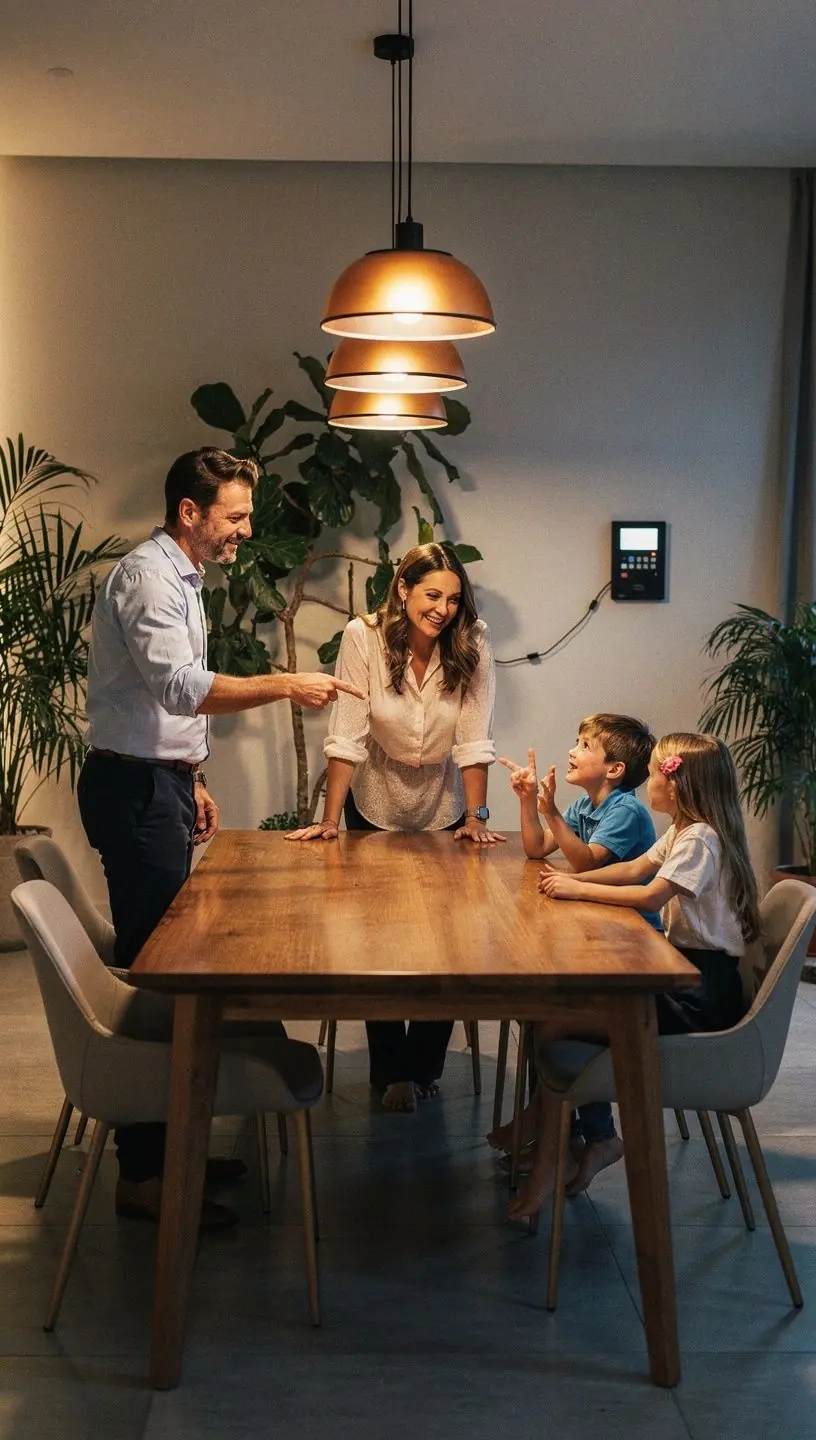
"Research indicates that natural light exposure can enhance mood and increase alertness, leading to better overall well-being."
How Lighting Affects Mental Health
Many users report that environments with thoughtfully designed lighting contribute positively to their mental health. For example, natural light has been shown to reduce symptoms of anxiety and depression. In most cases, spaces with a mix of both ambient and task lighting can help create a balanced atmosphere, fostering both relaxation and productivity.
Key aspects of lighting design that can impact well-being include:
- Color Temperature: Warmer light temperatures (around 2700-3000K) are often associated with comfort and relaxation, while cooler temperatures (5000K and above) can enhance focus and alertness.
- Light Intensity: Properly adjusted light intensity can help prevent eye strain and fatigue, which are common issues in office environments.
- Natural Light: Incorporating windows and skylights can bring in natural light, which is linked to improved mood and productivity.
Practical Application of Lighting Design in Interior Spaces
Implementing effective lighting design typically requires a thoughtful approach. Here are some steps to consider:
- Assess the Space: Identify areas where light is lacking or overly harsh and consider how the space is used at different times of day.
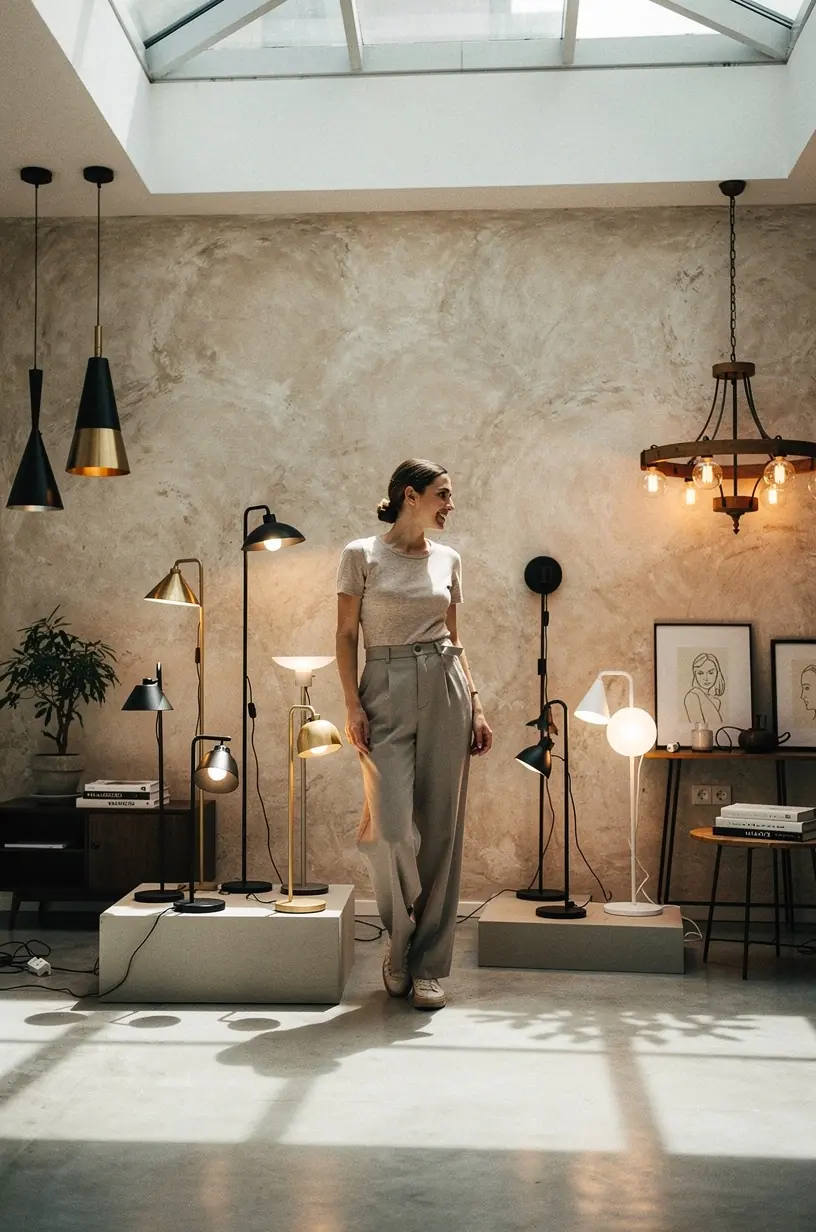
- Layer Lighting: Combine ambient, task, and accent lighting to create a well-balanced environment. This approach not only enhances functionality but also adds visual interest.
- Use Dimmers: Installing dimmer switches can give users control over their environment, allowing adjustments based on time of day or activity. This flexibility can significantly impact comfort levels.
Conclusion
In conclusion, lighting design is a vital element that can profoundly impact our well-being. By understanding the psychological and physiological effects of light, individuals can create environments that promote positive mental health. As industry experts suggest, investing in thoughtful lighting solutions can lead to improved mood and productivity, making it a worthwhile consideration for both residential and commercial spaces.
Explore Further