The Role of Lighting in Interior Atmosphere
Lighting plays a crucial role in shaping the atmosphere of an interior space. Understanding how to effectively utilize lighting can enhance the aesthetic appeal and functionality of any room.
Understanding the Basics of Interior Lighting
Lighting is not just about illuminating a space; it is about creating an atmosphere that resonates with the intended purpose of the room. According to industry experts, different types of lighting—ambient, task, and accent—serve specific roles in enhancing the overall feel of a space. Ambient lighting provides the general illumination needed for everyday activities, whereas task lighting focuses on specific areas to support functions like reading or cooking. Accent lighting adds depth and highlights specific features, such as artwork or architectural details.
"Lighting transforms spaces; it's an essential component of interior design that can influence mood and perception." - Interior Design Magazine
Why Lighting Matters for Atmosphere Creation
Research indicates that the right lighting can significantly impact how we perceive a space. For instance, studies show that warm lighting can make a room feel cozy and inviting, while cooler lighting can create a more energetic and modern atmosphere. This works because lighting influences our emotions and behaviors; a well-lit environment can enhance productivity and comfort.
Key Elements of Effective Lighting Design
- Layering: Combining different types of lighting (ambient, task, accent) creates a dynamic environment.
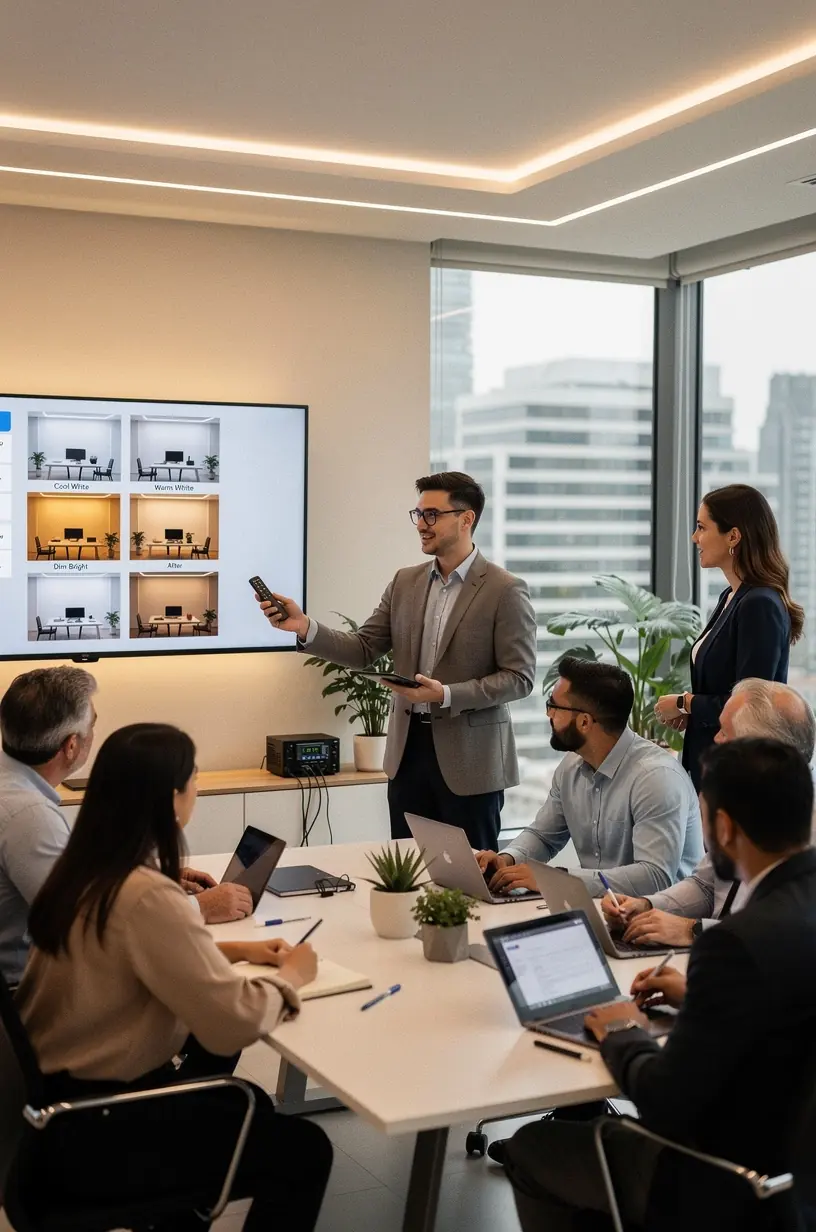
- Color Temperature: Choosing the right color temperature can change the mood; warmer hues are often preferred in living spaces, while cooler tones are effective in kitchens and offices.
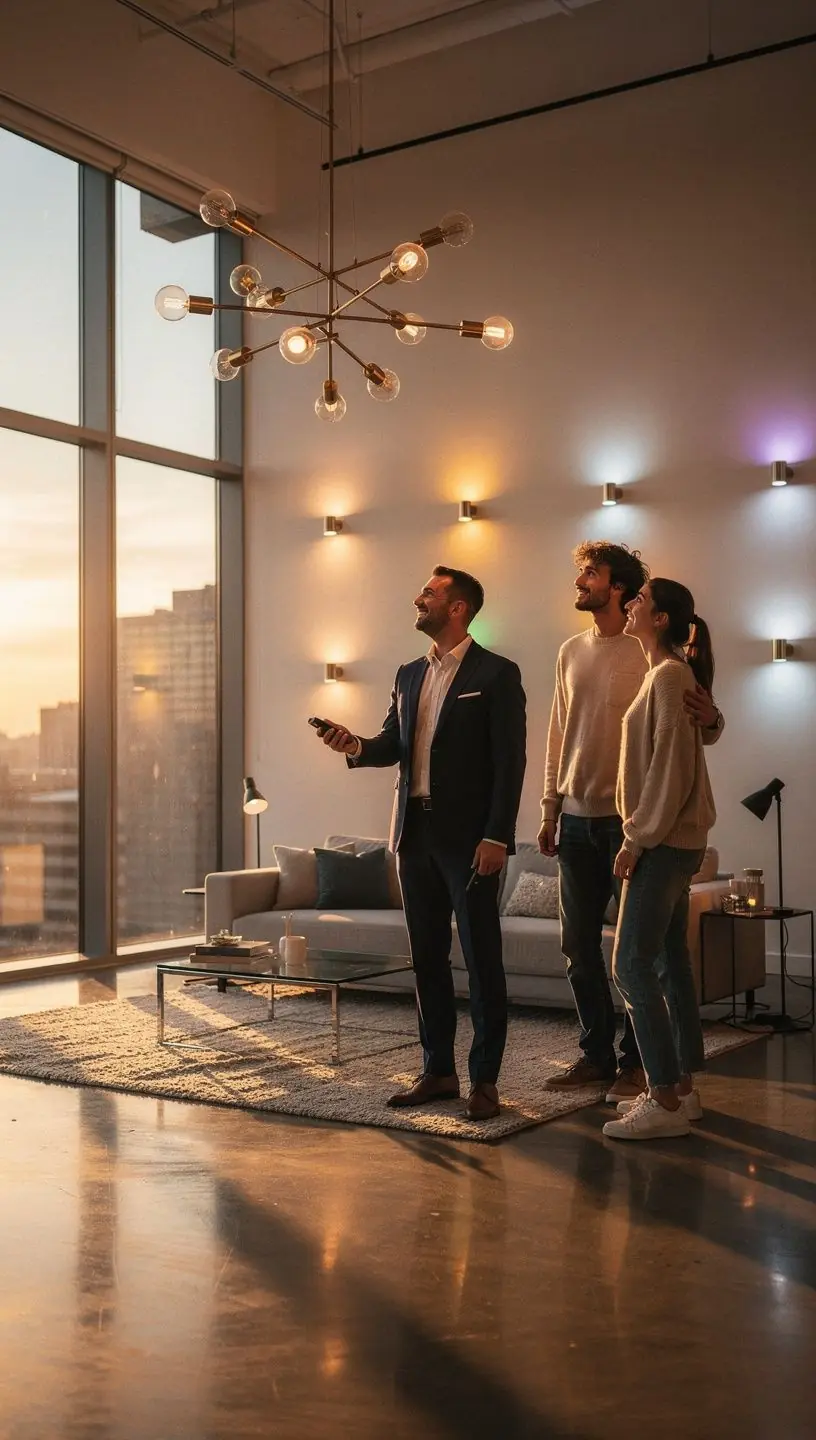
- Dimmer Switches: Installing dimmers allows for flexibility in light intensity, enabling users to adjust lighting based on the time of day or activity.
Practical Application in Interior Studios
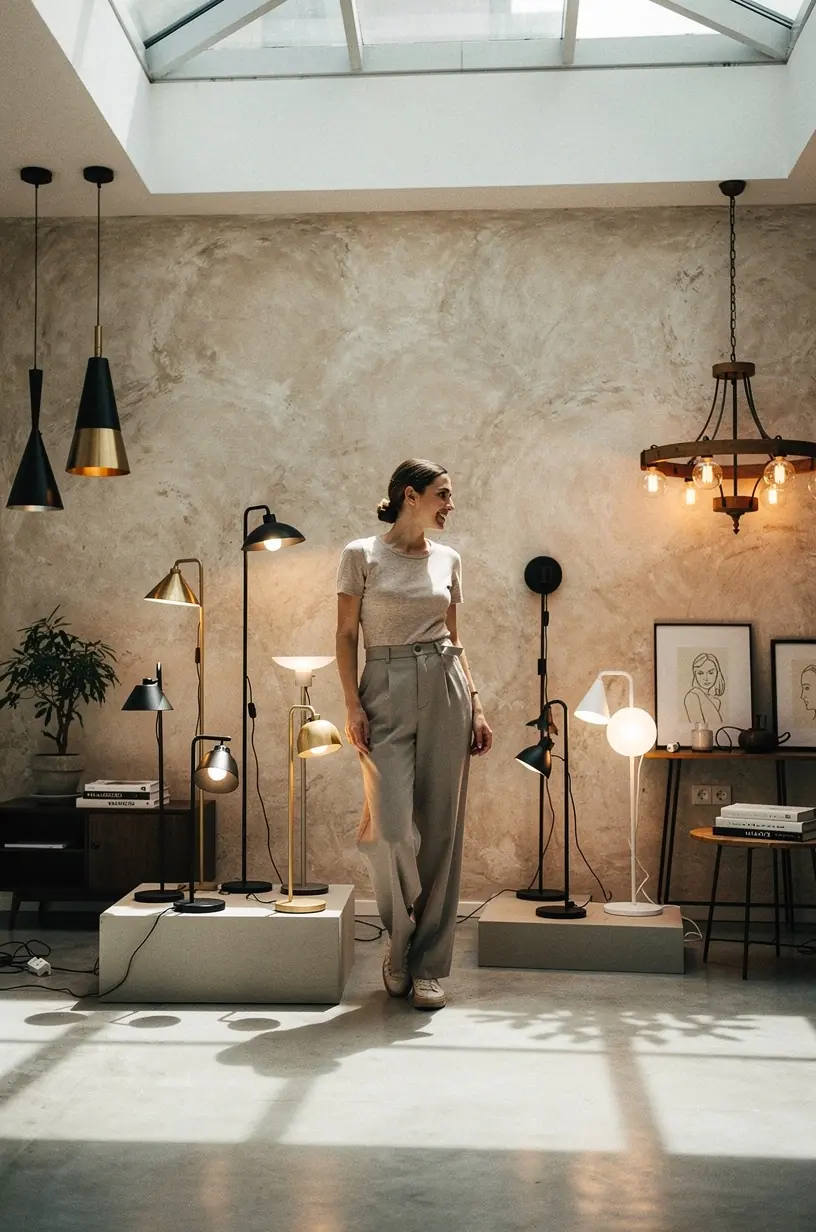
Interior lighting studios often showcase demo zones that allow clients to experience various lighting setups. These setups provide a hands-on understanding of how different lighting options work in real-time. Typically, a visit to these studios involves:
- Discussion of the specific atmosphere desired for the space.
- Exploration of different lighting technologies, including LED and smart lighting.
- Personalized setups that demonstrate how various lighting combinations can achieve the desired effect.
Conclusion
In summary, lighting is a fundamental aspect of interior design that significantly affects atmosphere and functionality. By understanding the principles of lighting and utilizing the right elements, you can transform any space into a more inviting and effective environment. Investing time to explore lighting options in specialized studios can lead to better decisions that enhance both aesthetics and user experience.
Explore Further