How Personalized Lighting Can Enhance Home Design
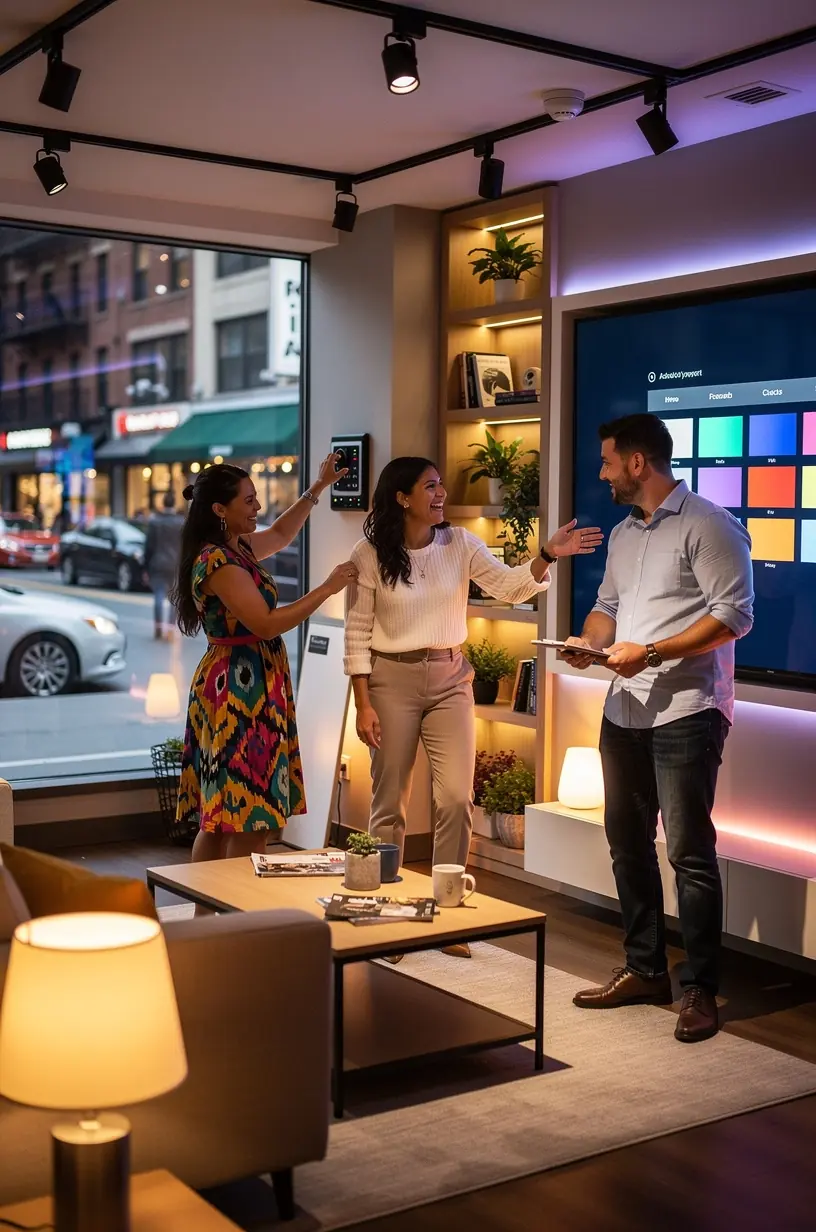
Lighting not only illuminates spaces but also creates the mood and atmosphere in our homes. Personalized lighting solutions can significantly enhance home design, transforming the way we perceive and interact with our living environments.
Understanding the Basics of Personalized Lighting
Personalized lighting involves customizing light sources and arrangements to suit individual preferences and needs. According to industry research, different lighting setups can evoke various emotions and behaviors, influencing how a space feels and functions. For instance, warm lighting is often associated with relaxation, while brighter, cooler tones can enhance focus and productivity.
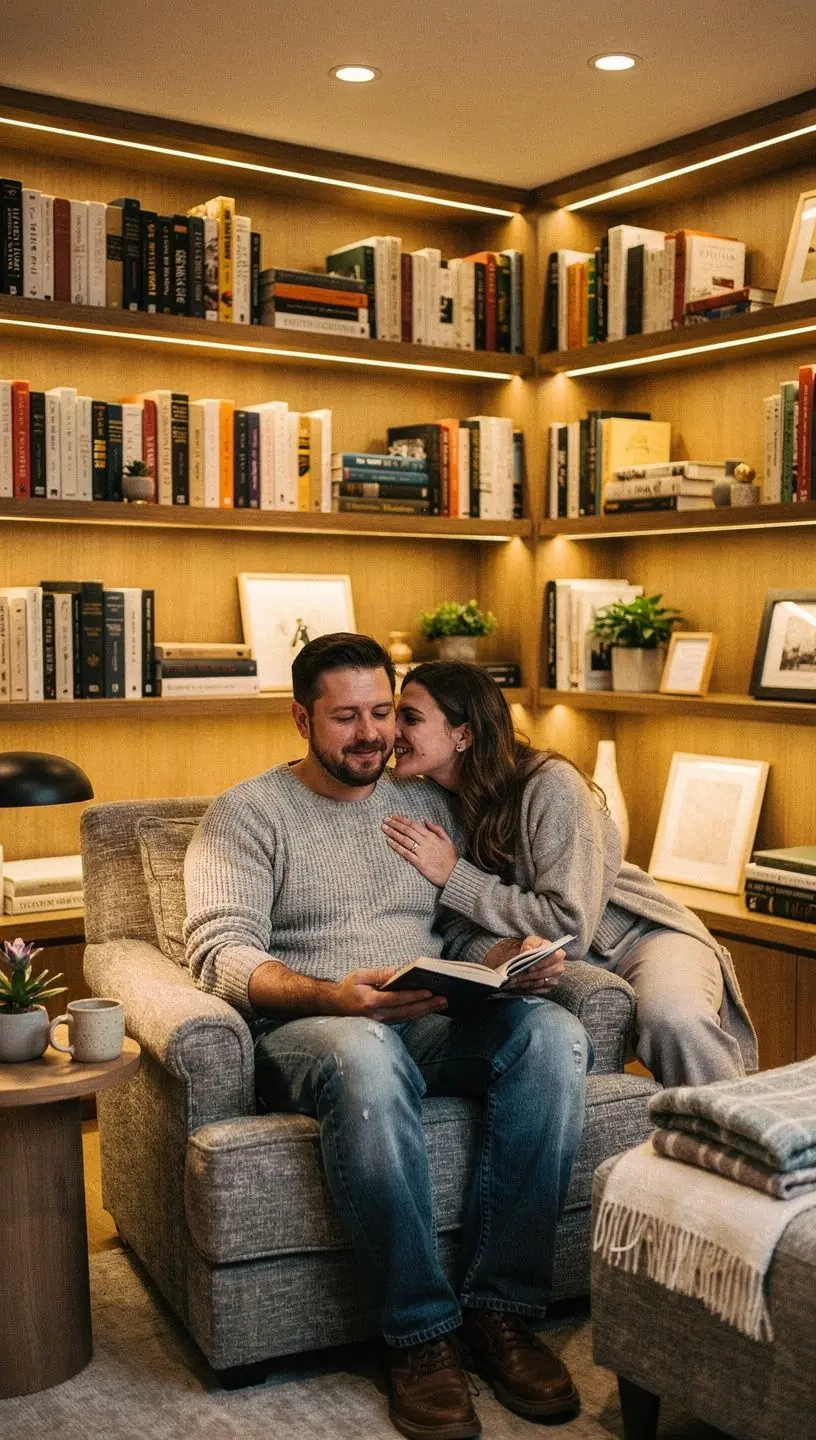
"The right lighting can change the entire ambiance of a room, making it feel more inviting or energizing, depending on the desired effect." - Lighting Design Expert
The Principles of Effective Lighting
Experts recommend considering three primary aspects when designing personalized lighting: functionality, aesthetics, and atmosphere. Here’s how each plays a role:
- Functionality: This involves ensuring that lighting meets the practical needs of the space. For example, task lighting in kitchens should be bright and direct, while ambient lighting in living rooms should create a soft glow.
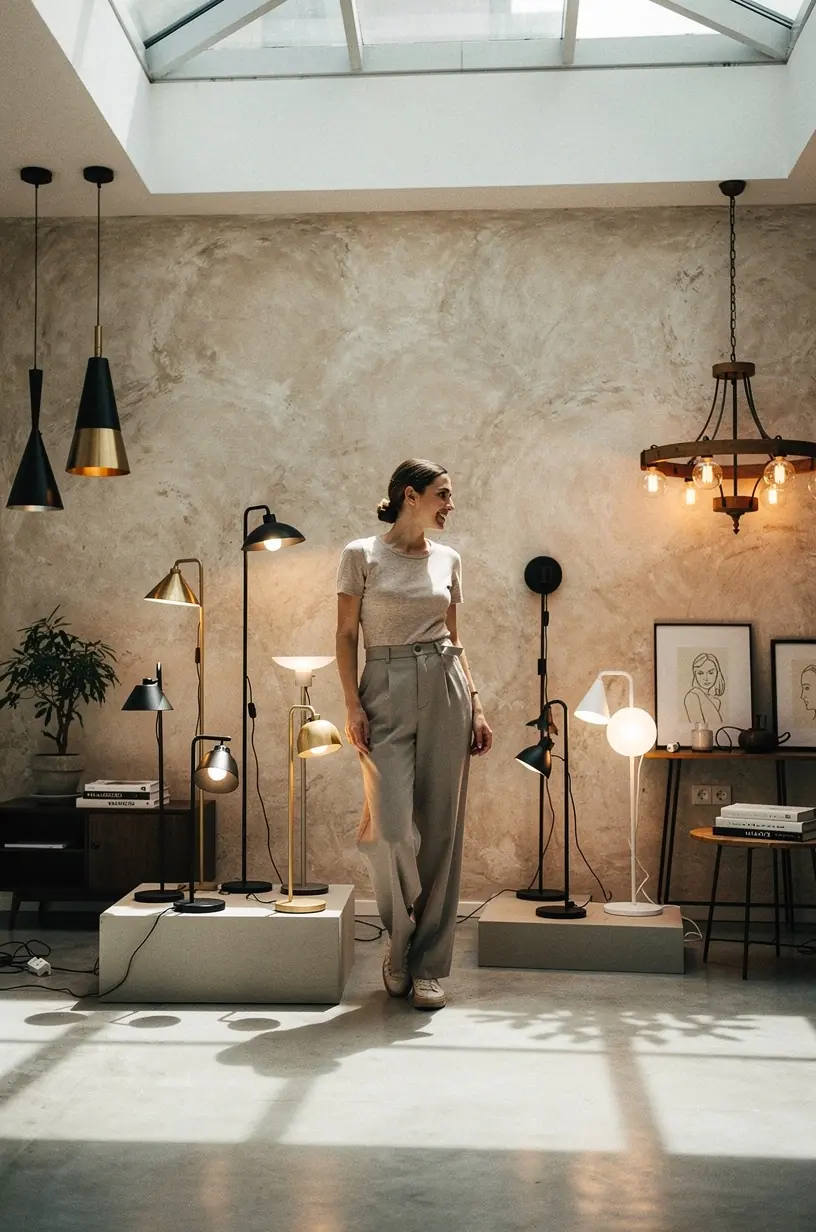
- Aesthetics: Personalized lighting allows homeowners to express their style through fixtures, colors, and arrangements. Selecting unique fixtures can act as décor while also serving a purpose.
- Atmosphere: Lighting can influence mood. Research indicates that softer, dimmed lights tend to create a cozy atmosphere, while brighter lights can energize a space.
Practical Applications of Personalized Lighting
Implementing personalized lighting in your home typically involves a few key steps:
- Assessment: Evaluate each room's purpose and the activities that occur there. This helps determine the appropriate type and intensity of lighting required.
- Layering: Incorporate multiple layers of lighting—ambient, task, and accent—to create depth and versatility. This approach is recommended by interior design professionals for achieving a well-rounded lighting setup.
- Customization: Choose fixtures and bulbs that align with your style and accommodate your specific needs. Many users report satisfaction when they can adjust light intensity and color temperature to match their mood or task.
Conclusion
Personalized lighting is a valuable tool in home design that can enhance both functionality and aesthetic appeal. By understanding the principles of effective lighting and applying them thoughtfully, homeowners can create spaces that are not only beautiful but also supportive of their daily lives. As you consider your lighting options, remember that the best results often require time and experimentation to find what works best for your unique environment.